
Mattress cleaning
We also assess mattresses as part of upholstery care. Construction, manufacturer instructions and condition determine the appropriate process. Let the team know the mattress type before booking.
Upholstery Cleaning · Orange County
Upholstery cleaning for Orange County sofas, sectionals, chairs and upholstered furnishings. Refresh the pieces you gather around, with care selected for their fabric and construction.
Book Online
Upholstery Cleaning
Body oils, everyday soil and spills can settle into a fabric long before a piece looks heavily soiled. We look at the upholstery’s fiber, construction, dyes, cleaning code and condition before choosing a method. Delicate fabric, a removable cover and a fixed cushion are not automatically cleaned in the same way.
Our Upholstery Process
We confirm the exact treatment after assessing your surfaces. Here is how the work comes together.
Inspect the fabric, label, construction, seams and areas of concern.
Separate removable soil from wear, fading or damage and confirm the agreed pieces and treatments.
Protect nearby finishes, remove loose soil and check compatibility before treating the fabric.
Apply the material-appropriate process, using suitable agitation and moisture control.
Reassess stubborn marks without treating every fabric as if it were the same.
Arrange the piece for drying as appropriate and explain when it can return to everyday use.
A Little More Attention
We also assess mattresses as part of upholstery care. Construction, manufacturer instructions and condition determine the appropriate process. Let the team know the mattress type before booking.
Wool, velvet, silk, viscose and blended fabrics need particular attention to dyes, pile and moisture. Share the care label and any previous cleaning history.
Where suitable, an optional protective treatment can help make future spills easier to address. It is not a guarantee against every stain or a replacement for regular care.
From Our Portfolio
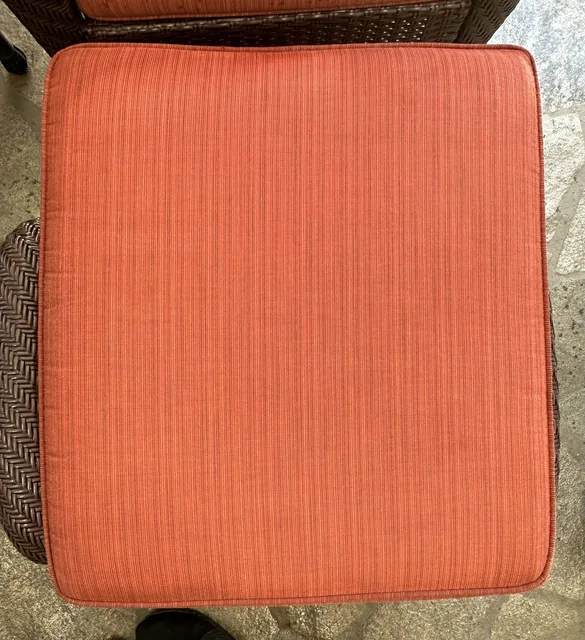
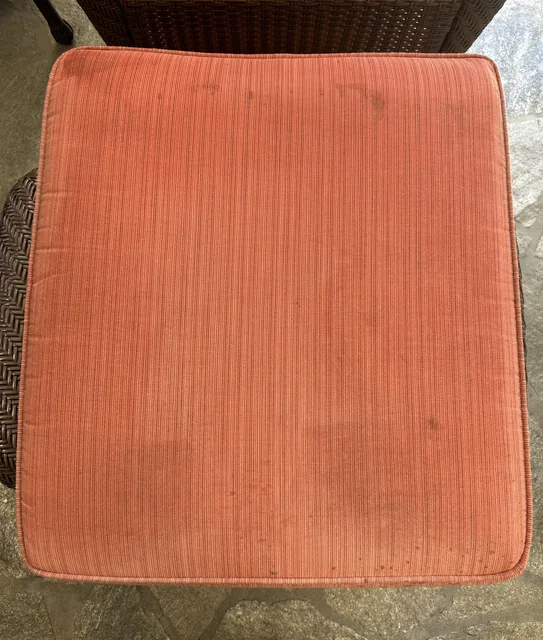
The same cushion with fewer visible marks and a more even-looking color.
Explore This ResultActual OCD HOME work. Original camera angles and lighting may differ. Results depend on the material and condition.
Remove throws, loose belongings and decorative cushions you are not having cleaned. Photograph the care label if you can and tell us about previous spot products, pet concerns or color changes. Clear access around the furniture.
Upholstery typically dries in 2–8 hours, but it can take longer depending on the material, cleaning method and drying conditions. Reposition cushions and pillows so air can circulate around them. Fans, air conditioning or open windows can help improve airflow. Wait until the upholstery feels dry to the touch before regular use. Damp fabric is more likely to pick up oils, soil and stains or allow color transfer.
“OCD did a wonderful job cleaning my living room couch, kitchen chairs, and patio furniture.”
Upholstery Cleaning Questions
Have a question about a particular surface or treatment? Our team can help you plan.
Ask OCD HOMEUpholstery cleaning codes indicate which types of cleaning products are suitable for the fabric. Two common codes are:
We assess the fabric and the manufacturer’s instructions before choosing a method. Wet cleaning may include professional steam cleaning when appropriate, but a W/S label alone does not confirm that steam cleaning is suitable.
We price sofa, sectional and upholstered chair cleaning at $30 per linear foot, measured along the length of the item. For example, a three-seat sofa measuring seven feet long is priced at $210.
All appointments require a $250 job minimum, including visits for a single item.
Yes. We clean sectionals at $30 per linear foot. Your technician will measure the piece on site and confirm the total cost before work begins. All appointments require a $250 job minimum.
Yes, if the manufacturer’s care label allows machine washing. Follow the washing and drying instructions carefully, as the fabric can shrink, stretch or become distorted. A standard wash cycle may not remove every stain.
Yes. We assess linen, velvet and other fine fabrics based on their fiber content and condition before choosing the appropriate cleaning method. Some materials require low-moisture dry-foam cleaning or a solvent-based process to help prevent cellulosic browning, dye migration and shrinkage.
We recommend avoiding bleach on upholstery because it can cause permanent color loss. A “performance” label alone does not mean a fabric is safe to clean with bleach.
Some performance fabrics, including certain RH (Restoration Hardware) fabrics, can be professionally cleaned using hot water extraction, commonly called steam cleaning. We assess the material, condition and manufacturer’s care instructions before selecting the cleaning method.
Yes. These marks usually come from scalp and body oils transferring onto the upholstery. Hairspray, other hair products, lotions and topical treatments can also rub off onto headrests, armrests and leg rests.
We use cleaning agents suited to the fabric, including citrus-based products, to break down this oily buildup and remove it during cleaning.
A ring can develop for several reasons. Delicate fabrics may be sensitive even to plain water, and pH changes or cellulosic browning can cause discoloration.
Cleaning products that are not fully extracted can leave residue, while oversaturation can cause soil or staining to wick back to the surface. Even when spot cleaning is performed correctly, inadequate drying conditions can leave a ring around the treated area.
No. As with worn carpet, cleaning cannot restore faded or worn upholstery. Sun damage can make fabric appear lighter, while worn areas may look darker as the fibers thin or break down.
Upholstery typically dries in 2–8 hours, but it can take longer depending on the material, cleaning method and drying conditions.
Reposition cushions and pillows so air can circulate around them. Fans, air conditioning or open windows can help improve airflow.
Wait until the upholstery feels dry to the touch before regular use. Damp fabric is more likely to pick up oils, soil and stains or allow color transfer.
Yes. We assess leather furniture to determine whether it is suitable for basic cleaning and conditioning. Certain leathers, especially distressed nubuck, require specialized products and methods that we do not offer. For those pieces, we’re happy to provide a referral.
Dust, dust mites, shed skin cells, debris, allergens and other household contaminants can collect in upholstery, even on furniture that is rarely used. Periodic cleaning is worthwhile even when a piece looks clean.
The right frequency depends on use, condition and personal preference. Visibly soiled furniture warrants more frequent cleaning. A living-room sofa used every day will generally need attention more often than a rarely used office chair.
Yes. We use non-toxic, fruit- and plant-based cleaning products selected with the safety of children, pets, older adults and allergy-sensitive households in mind.
Yes. We offer Stainshield, a stain and soil repellent applied to carpet and upholstery fibers. It helps resist staining and makes cleaning easier between professional appointments, helping you care for and extend the life of your carpet.
We especially recommend it for high-traffic areas and homes with children or pets. Think of it like waxing your car: it doesn’t stop the carpet from getting dirty or make it stain-proof, but it helps it clean up more easily and protects your investment.
We accept credit cards, debit cards and Apple Pay. We do not accept cash. Checks are accepted only by mail from commercial clients.
Our online booking lets you view pricing, check availability and schedule your cleaning 24/7. You can also call or text us at (949) 979-5799, email book@ocdhome.com, or chat with our team directly through our website.
Care Guide
Serving Orange County
We visit homes and businesses throughout Orange County. Explore local planning advice or check the full coverage directory.
OCD HOME · Orange County
See pricing, check availability and choose the services your space needs.